.svg)
Gain the interdisciplinary tools, learning science and confidence to understand, lead and reimagine the future of learning.
Education is being asked to do more than ever before
with systems that no longer fit the world we’re in.
From climate breakdown and the rise of AI to inequality, burnout, and outdated institutional models, education systems are under strain. Incremental reform isn’t enough.
The MASc in Education Futures is for educators and learning leaders who want to understand education as a complex system and learn how to change it.
Combining systems thinking, learning science, innovative practice, interdisciplinary methods, and a personalised capstone, the programme helps you redesign learning across institutions, organisations, and communities.
If education is being turned on its head, this is where you learn how to lead within that complexity.
.jpg)
Build the systems thinking, learning science, and interdisciplinary tools to redesign education for a changing world.

Master's degree (MASc)
Leo laoreet eget scelerisque consequat viverra et tellus. Leo laoreet eget scelerisque consequat viverr.

September 2027
Leo laoreet eget scelerisque consequat viverra et tellus. Leo laoreet eget scelerisque consequat viverr.

2 years
Leo laoreet eget scelerisque consequat viverra et tellus. Leo laoreet eget scelerisque consequat viverr.

£7,000 / year
Leo laoreet eget scelerisque consequat viverra et tellus. Leo laoreet eget scelerisque consequat viverr.

Remote-first

On campus intensives once per term.

8-10 hours per week
Leo laoreet eget scelerisque consequat viverra et tellus. Leo laoreet eget scelerisque consequat viverr.



Whether you want to lead change, redesign learning, or reimagine what education could be, this degree gives you the space, rigour, and community to do it well.



.svg)
Education core
The Education Core helps you understand education as a system: what it is for, how it works, why it has been so hard to change, and what it would take to redesign it.
You’ll explore how people learn, how institutions evolve, and how decisions about pedagogy, assessment, and leadership shape real outcomes. Through case studies of cutting-edge practice, including responses to climate challenges, digital change, and AI, you’ll see how education can be designed differently in practice.
The focus is on building the insight and confidence to design, lead, and evaluate meaningful change in real-world education contexts.
Interdisciplinary methods
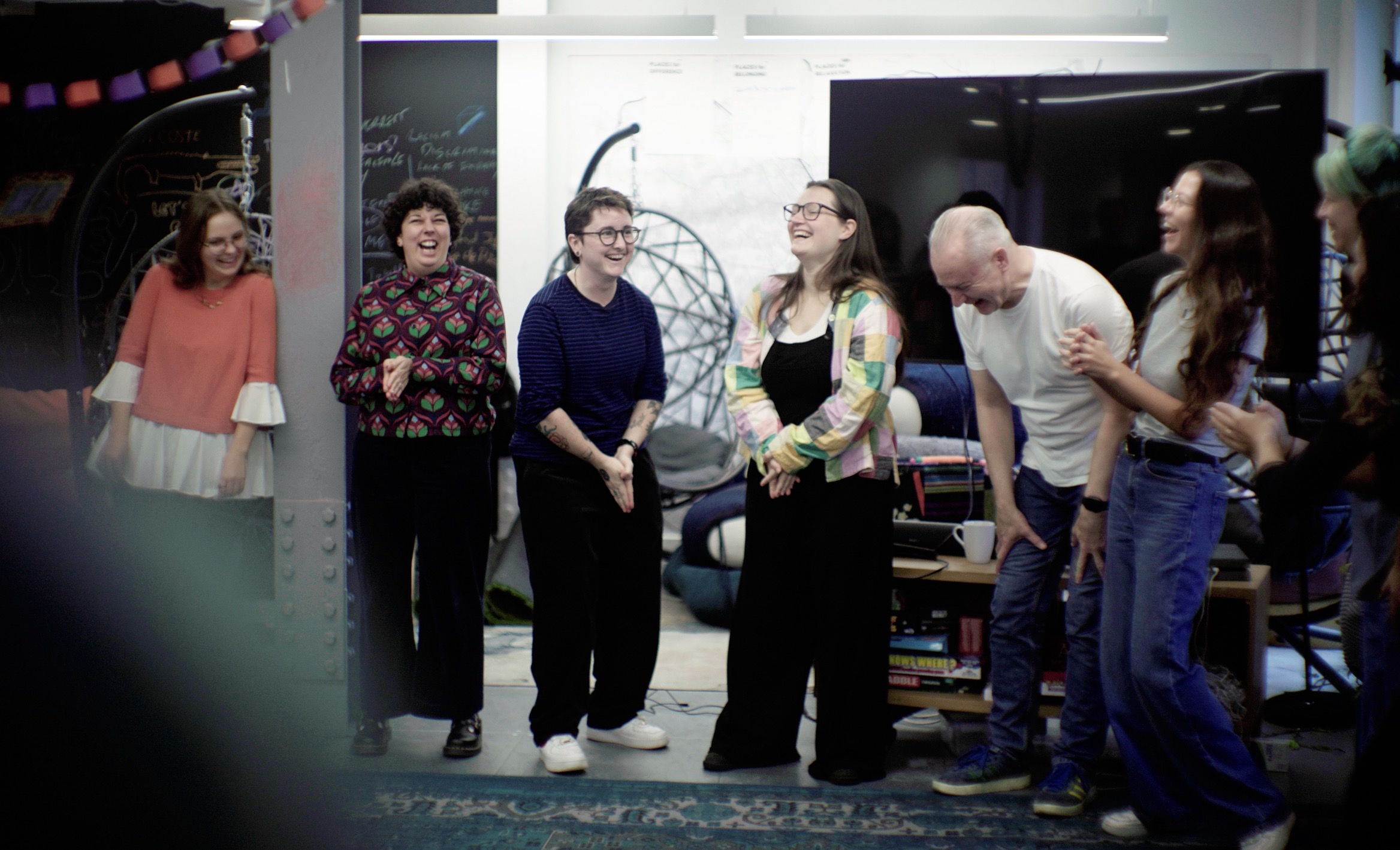
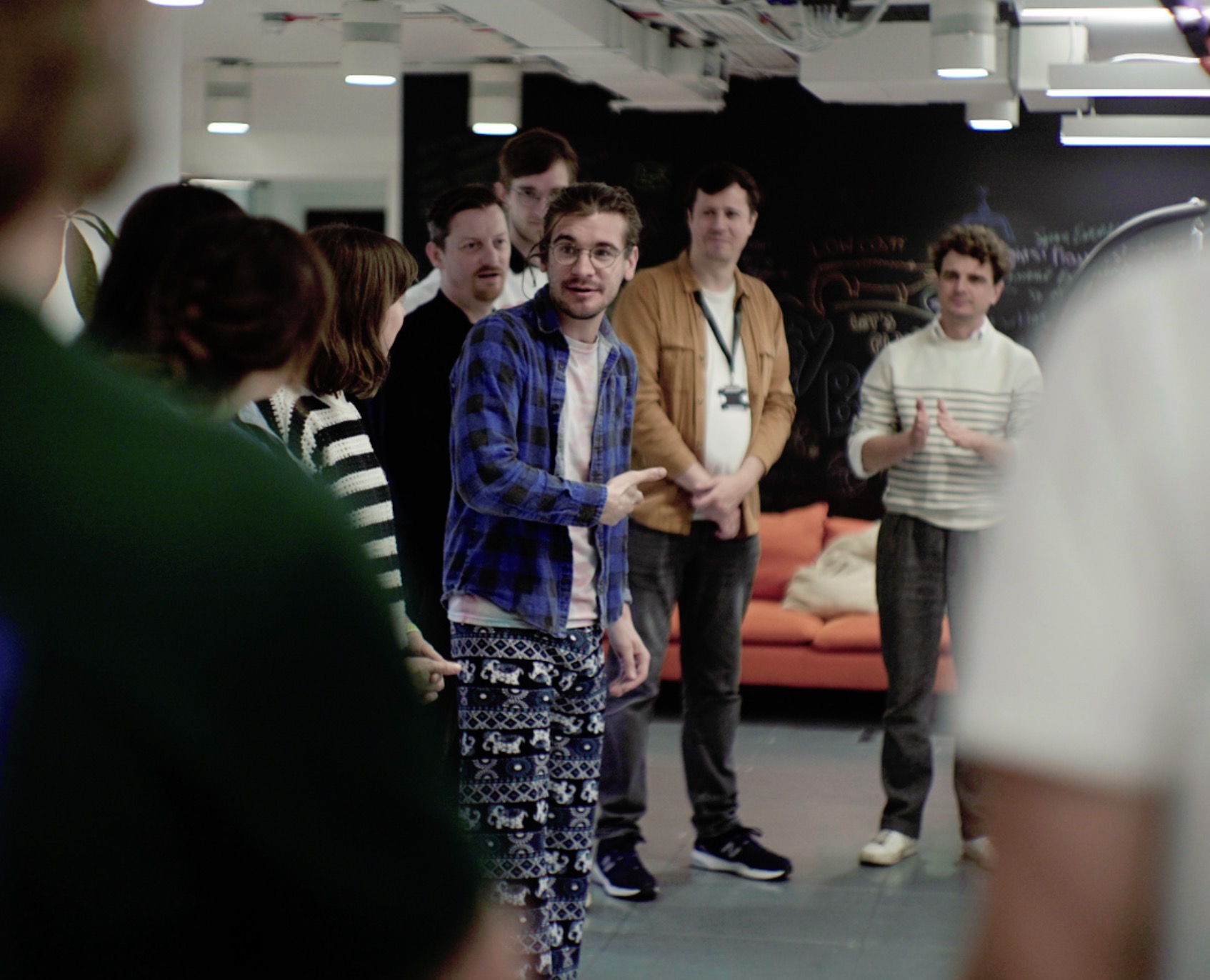
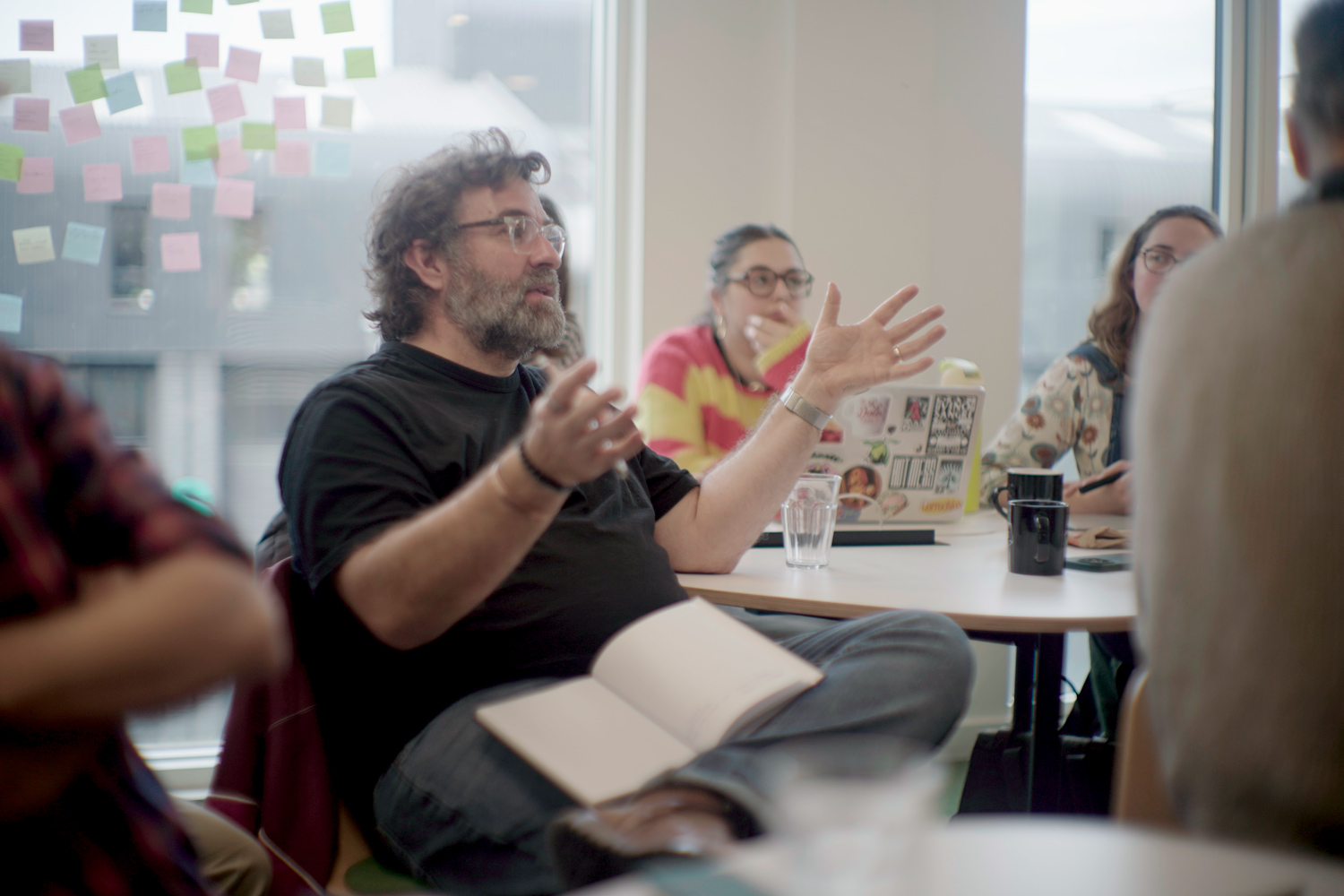
Alongside the Education Core, you’ll take shared interdisciplinary methods, studying alongside students from other MASc programmes. This is a central part of the degree: learning with people from different backgrounds exposes you to new ways of thinking and makes interdisciplinarity real, not theoretical.
The methods modules are designed to stretch you beyond your comfort zone and build range, combining data science and coding, analysis of language and visual media, and tools for working with complexity and uncertainty.
As a Master of Arts and Science, the programme emphasises scientific rigour, giving you robust methods you can use to pursue a genuine interdisciplinary, self-directed project.
Making it relevant to you
The Capstone is a self-directed project focused on an education challenge you care about. You’ll apply the tools, methods, and perspectives from the degree to produce a substantial piece of work, either a dissertation or a practice-based output such as a policy, strategy, or learning design. It’s designed to be a calling card for your next step.
Why now
Education systems are under growing strain. They were never designed for today’s interconnected climate, social, political, and economic challenges, or for technologies like AI, which are reshaping how knowledge, assessment, and expertise work.
Together, these pressures point to a deeper metacrisis of meaning, purpose, and values.
At the same time, institutions face pressure to innovate, prove impact, and support people through constant change.
The part-time MASc in Education Futures brings together psychology, technology, policy, culture, and design to help you step back, understand education as a complex system, and build the insight and tools to lead meaningful change, not just manage within outdated models.
Challenging education, drawn from experience
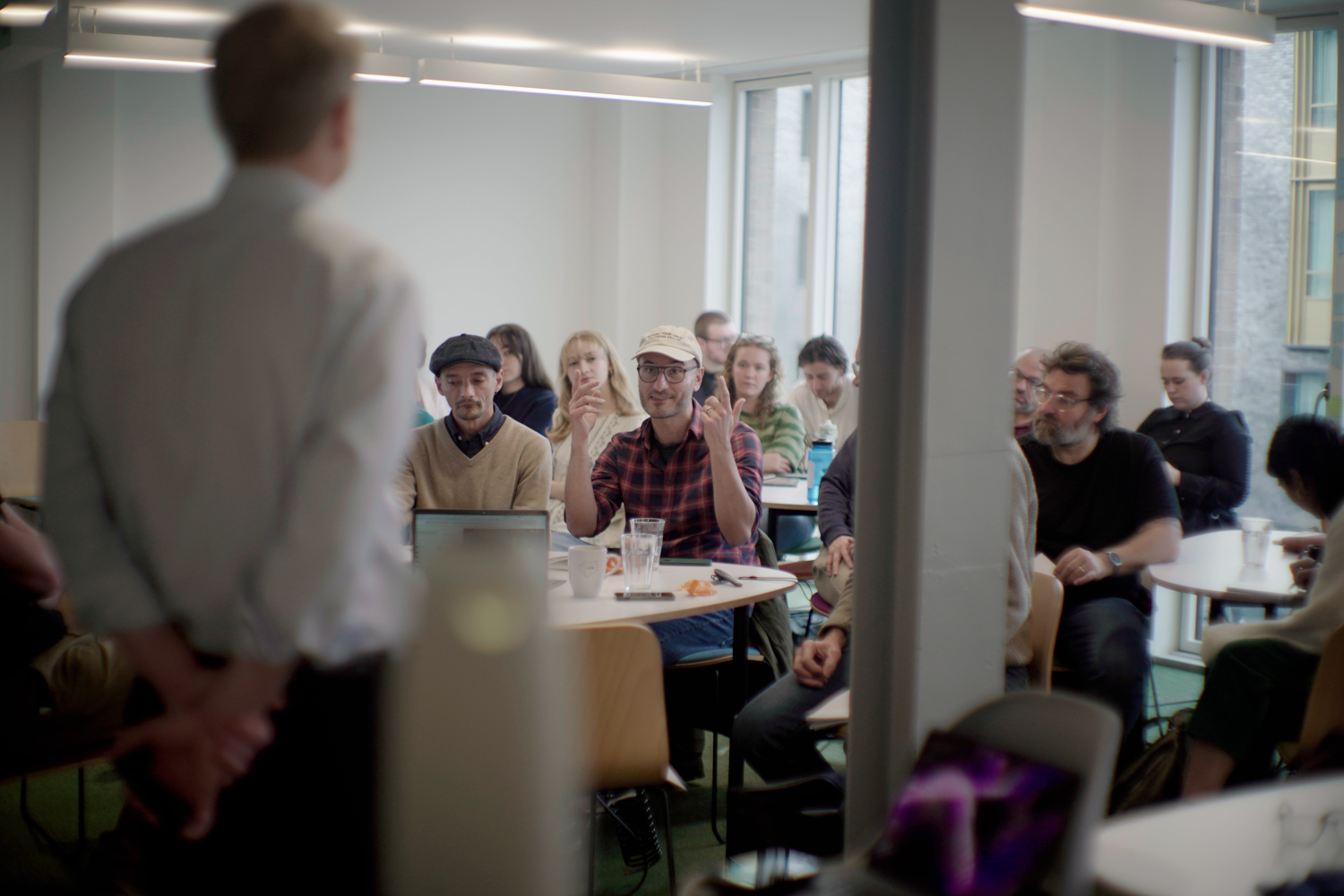
The London Interdisciplinary School was founded to challenge how universities work and to design an education fit for the complexity of today’s world.
As the first UK higher education institution in 60 years to open with its own degree-awarding powers, we’ve been shaking up education from day one. Our BASc and MASc graduates are confident, adaptable, and prepared for modern work, with employers already seeing the value of this approach.
For a master's degree focused on education, leadership, and transformation, The London Interdisciplinary School offers not just a place to study it, but acts as a living example of how it can be done differently — and better.
Learning at LIS is:
Interdisciplinary, experiential, and systems-led.
Bold enough to challenge the 20th century norms and assumptions.
Grounded in networks and relationships.
The curriculum
This master's is designed to foster ‘big-picture’ thinking about education futures while also building skills that you can apply in your current practice.
.svg)
To gain a degree in the UK you must pass a certain number of credits in each year of the degree. Each module is given a credit, which you are awarded when you pass each module at assessment.
*The content of our modules is subject to change and approval as we revise our modules each year depending on student feedback and developments in the field.
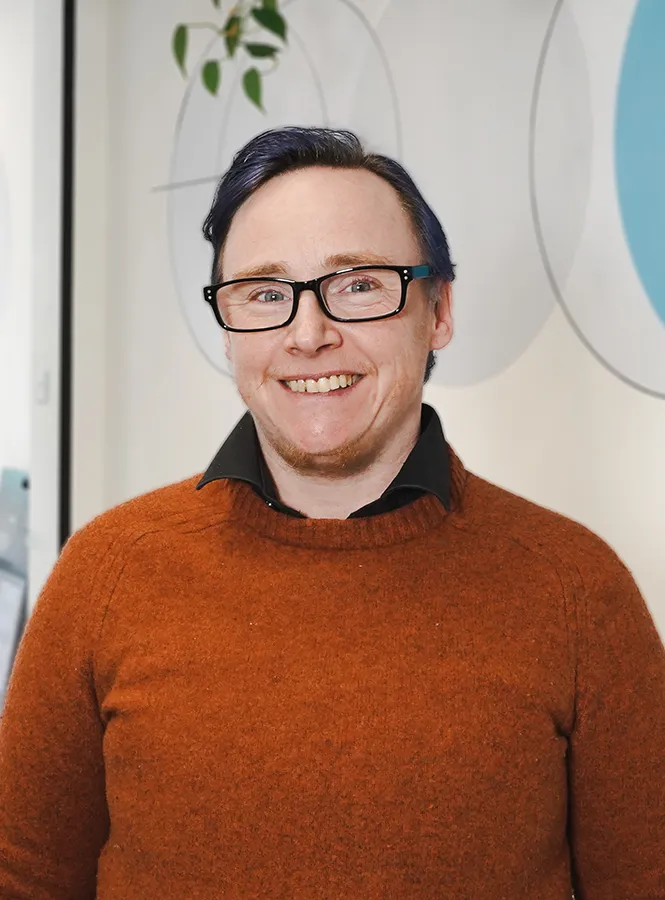
Ash is an interdisciplinary academic, consultant, and visual artist who holds a PhD in Education for Sustainability from Wageningen University, as well as master's degrees in Biochemistry (University of Oxford) and Environmental Anthropology (University of Kent). He has contributed to over 30 publications (many in a previous name) across diverse disciplines, including education, sustainability, program evaluation, design, and healthcare. Ash is an External Examiner at Black Mountains College and was the Monitoring, Evaluation and Learning consultant for the 'Transforming Education for Sustainable Futures' (TESF) Network Plus. Teaching science in schools showed him, first-hand, the limitations of existing educational approaches and the need to rethink how learning works.
Who are you?
The LIS MASc in Education Futures aims to bring together people shaping learning across sectors who are ready to rethink education and lead meaningful change within it.
If you’re asking not just “How do I improve what I’m doing?” but “How do I lead what’s coming?” this course is for you.
You might be…
An education leader in transition
- A teacher, school leader, consultant, or policy professional
- Ready to move into leadership, strategy, or system-level roles
- Looking for frameworks, confidence, and credibility to lead change masters in education leadership
An innovative educator or practice shaper
- A teacher, learning designer, or education technologist
- Curious about how learning really works
- Seeking an interdisciplinary degree that combines theory with practice
A learning or impact leader beyond the classroom
- Working in organisations, charities, or cultural institutions
- Designing learning, training, coaching, or public engagement
- Wanting deeper insight into learning, change, and impact




.webp)

Meet Ash: Your MASc lead
Dr Ash Brockwell is your programme lead for the MASc in Education Futures.
In this video, Ash will take you through the degree, why it's needed, and how it can help improve and innovate your approach to education, across any sector.

Careers and development
Our careers offering for master’s students revolves around three key pillars:


Study without stepping away
That’s why this programme is designed for people who want to keep working while they learn. The structure allows you to apply ideas directly to your role, bringing real challenges into the classroom and taking practical tools straight back into your organisation.

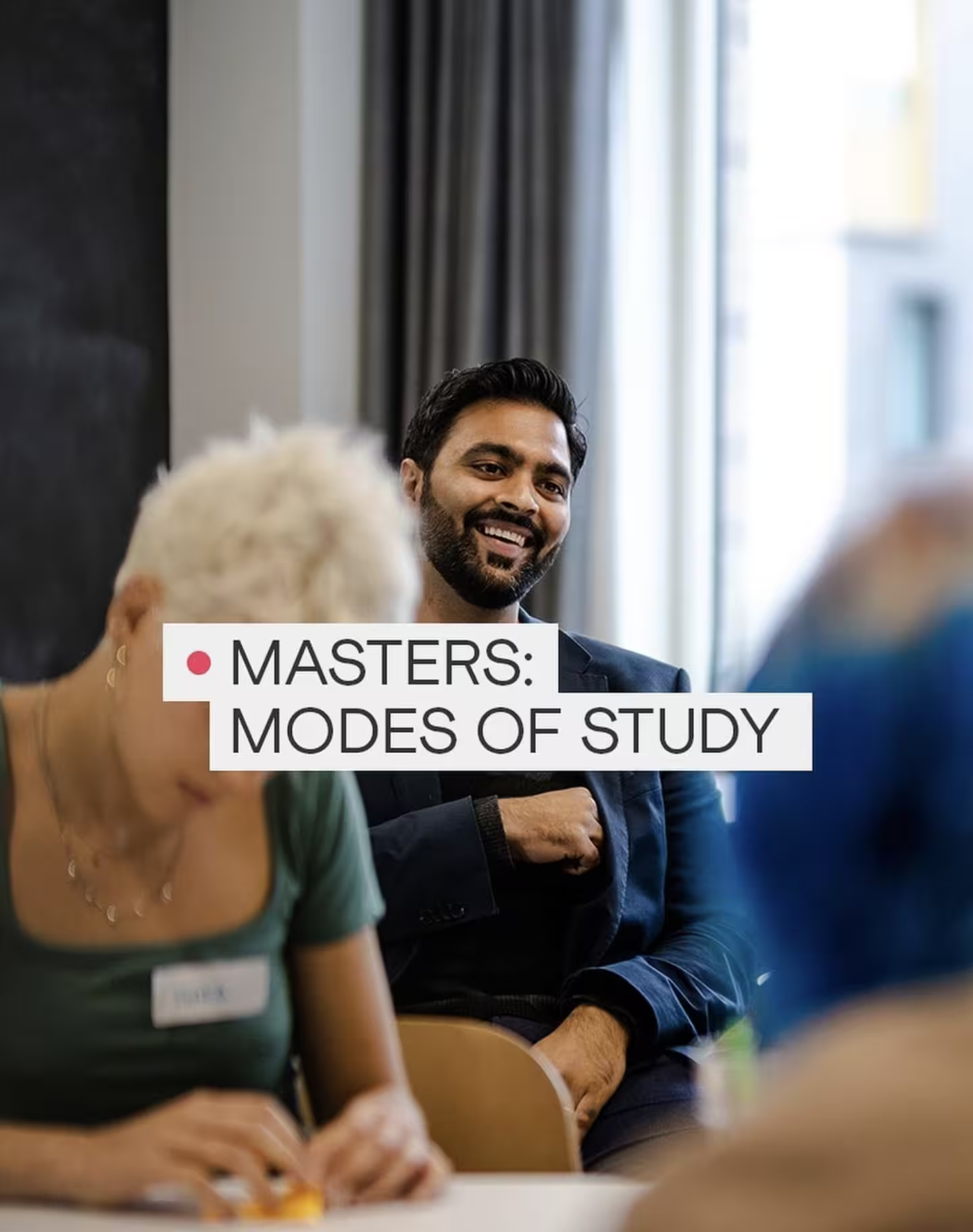
Part-time, online
Designed for people that have other commitments and/or want to continue to work alongside study. For those that don’t want to regularly commute or live in London.


Finance
These are the fees for the 2027/28 academic year.
Find out more about our master's course fees, financing options, and support available through bursaries and grants.
How to apply

September 2026

until we fill places on the course

September 2027
Applications to our master’s degrees are considered on a rolling basis. We will continue to accept applications until we fill places on the degree. In order to secure a place on the course, we’d encourage you to submit your application as soon as possible.




.svg)

